September 3rd, 2024
Why Assam and Darjeeling Tea are best ?
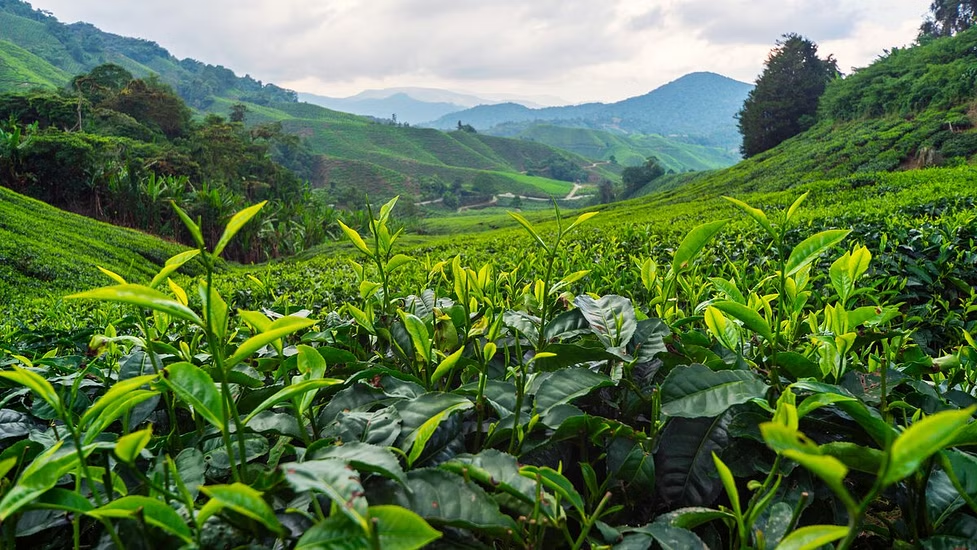
There is no doubting the fact that for tea making, two places in India are very famous — Darjeeling and Assam. These two different regions have unique climate, soil and ancient tea growing habits to produce some of the best teas around.
Darjeeling: The Queen of Teas
Darjeeling tea, known as “the champagne of teas” is prized for its light and unique flavour notes. Tea grown here is blessed(750-2100m elevation from the Himalayan foothills, appropriate for tea farming.) Climatic conditions in the hilly forest area is cool, cloudy and good soil favor its production thus facilitated to produce best quality tea.
The unique flavour of Darjeeling tea lies in its taste and that can differ according to when it is harvested. Spring tea, or first flush, harvested in spring gives a refreshing and floral and delicate taste. The second flush, picked in early summer provides more body and the classic “muscatel” sweet undertones which is so distinct to Darjeeling. And this is why Darjeeling Tea has so long been recognized as one of the finest and most complex teas in the world.
One more explanation of the superiority of Darjeeling tea is related to how it is manufactured in traditional ways. The leaves of the trees are carefully hand-plucked for only the best to be extracted into their tea. With a meticulous eye for detail, and the unique qualities tapped from its environment in playing host to several grow seasons each year, Darjeeling tea becomes one of the most distinguished on offer.
Assam: The Country of Robust & Malty Teas
Assam, on the other hand, is famous for its bold teas. The region of the tea estates here are at low altitudes in terms to geography — located on flatland within the plains around and running straight along with Tea belts flanking both side of Brahmaputra River Valley. Extremely warm wet weather conditions help ensure that large scale plantation agriculture based activities, specifically growth & cultivation for Camellia sinensis happen smoothly compared with higher or sub-alpine areas where extreme cold as well as snow lashed winter occur annually on seasonal basis. Such conditions create a tea with rich full flavor.
Assam tea is often used in breakfast blends — like the famous English Breakfast which will typically be most of this estate tea), due to its strength, astringency and malty flavour. The powerful taste of Assam tea pairs well with milk, so that is largely considered how your would drink it.
The production of Assam tea is what makes it really unique, not only its taste. The leaves are processed by the orthodox method: they’re withered, rolled (to break cell walls), fermented then dried. By using this traditional method, the natural flavours and aroma in Assam tea are retained well making it one of the worlds best black teas.
Why They Are Iconic?
The Darjeeling and Assam tea plantations are famous as they produce high quality teas which taste just like you can imagine them. The unique conditions are Darjeeling such as high altitudes and cool climates or the hot, humid plains of Assam helps in contributing to what makes these teas special.
Each tea tells a story and is the culture of its region, flavor encapsulated. You may like the light and floral Darjeeling, or you could prefer the bold taste of Assam. I would say their these teas are easily in the top few best out there!
So in the eternal scheme of things that is tea, Darjeeling and Assam are so much more than where some good Indian teas just happen to be grown. And they are rightfully iconic — anyone who is a fan of tea should taste all that these awesome places have to offer.
Latest Posts


Woahhh! Hello there! Stop! You don't wanna do this.
Get
Quotes


