February 19th, 2026
17 Major Tribes of Nagaland
Nagaland, a state in the northeastern part of India, is one that captivates the soul with its rich cultures and unspoiled beauty. This state is not just a location on the map; it is a living and breathing testament to tradition and resilience. With 17 major tribes of Nagaland, each having a unique story to tell through their customs, cuisines, and festivals.
Let’s delve deeper to know more about the 17 major tribes of Nagaland to explore the rich heritage of Nagaland and experience a world unlike any other.
1. Angami
The Angami tribe is mainly found in and around Kohima, the capital of Nagaland. The Angamis are known for their wood carvings, terracing, and warrior culture. The Angamis, major tribes of Nagaland observe the Sekrenyi festival to commemorate the season of purification and renewal. The highlight of the festival is the preparation of zutho (rice beer) and other dishes such as smoked pork and bamboo shoot curry.
2. Ao
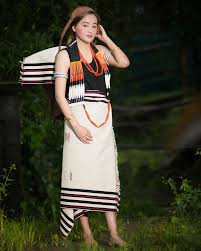
The Aos are known to have brought Christianity to Nagaland, which has been a major factor in the cultural identity of the region. They are also known for the Moatsu festival, which is a period of joy and social bonding. The festival features the consumption of local foods such as anishi, which is fermented yam leaves with smoked pork, and modhu, which is millet wine.
3. Chang
The Chang tribe is mainly found in the Tuensang district. They observe the Naknyülüm festival, which marks the culmination of the agricultural season. The food items that are commonly consumed during their festivals include pork preparations such as akhuni (fermented soybean curry) and leaf-wrapped sticky rice.
4. Chakhesang
The Chakhesangs are originally from the Angami tribe and are known for their skills in handicrafts and terrace farming. The tribal festival “Tsükhenyie” marks their New Year and agricultural patterns. Their food consists of items such as “suhpò” (smoked meat stew), wild herbs, and bamboo shoot recipes.
5. Konyak
The Konyak tribe, also known as “headhunters,” is found in the Mon district. They are known for their tattoos and skill in making firearms. The Aoleang festival is celebrated by the Konyaks to mark the entry of the new year and the arrival of spring. Zutho, or rice beer, and fermented soybean and meat preparations are an integral part of the festival.
6. Khiamniungan
Residing in the eastern side of Nagaland, the Khiamniungan tribe is recognized for their artistic weaving and colorful traditional dresses. The Miu festival is the start of the planting season for the Khiamniungan tribe. Their cuisine includes foods such as khihva (boiled vegetables), smoked fish, and sticky rice.
7. Lotha
The Lothas, who are found in the Wokha district, are recognized for their rich folk songs and dances. The Tokhu Emong festival, which is held after the harvest season, is centered on forgiveness and coming together as a community. Some of the popular foods include pork prepared with lotha tsüpong (bamboo shoot curry) and rice beer.
8. Phom
The Lothas, who are found in the Wokha district, are recognized for their rich folk songs and dances. The Tokhu Emong festival, which is held after the harvest season, is centered on forgiveness and coming together as a community. Some of the popular foods include pork prepared with lotha tsüpong (bamboo shoot curry) and rice beer.
9. Pochury
The Pochury tribe, found in some parts of Phek and Kiphire districts, observes the Yemshe festival, which signals the beginning of the harvest season. They are famous for their tradition of oral storytelling. Their diet consists of smoked meat, leafy greens, and fermented foods such as pochury akhuni.
10. Rengma
The Rengmas are mainly agricultural in Kohima and Tseminyu districts. Their harvest festival is the Ngada festival, which reflects their strong affinity with nature. Special food includes rengma apong (rice cakes) and pork stew.
11. Sangtam
The Sangtam community, living in the Kiphire and Tuensang districts, observes the festival of Mongmong, which is a celebration of unity and prayer for a bountiful harvest. Their food includes items such as sangtam zu, which is a local greens curry, fermented soybean stew, and dried fish.
12. Sumi
The Sumis, considered one of the most prominent tribes of Nagaland, are famous for their harvest festival, Tuluni. They are mainly found in the Zunheboto district and are known for their martial background. Akhuni (fermented soybean) is of prime significance in Sumi cuisine, representing the essence of their culinary culture. Akhuni is usually prepared as sumi amik (smoked pork with akhuni) and is a mainstay of their community meals during festivals. Other popular dishes include sticky rice and yam leaf.
13. Yimkhiung
Originally named Yachumi, the Yimkhiung tribe is located in the Kiphire and Tuensang districts. They observe the Metumniu festival, which is centered on agriculture and social bonding. The Yimkhiung traditional dishes include yimkhiung khrei (boiled meat), bamboo shoot stew, and wild herbs.
14. Zeliang
The Zeliang tribe is found in the Peren district and is recognized for their vibrant cultural shows. The annual Mimkut festival is marked by singing and dancing to celebrate the spirits of their ancestors. The festival foods include zeliang mei (meat dishes), boiled vegetables, and fermented rice wine.
15. Kuki
Though fewer in number compared to other tribes, the Kukis have a distinct identity and culture. They observe Mimkut and other traditional festivals with immense passion, which reveals their agricultural lifestyle. Their dishes include spicy meat preparations such as saapum (meat curry) and rice preparations.
16. Kachari
The Kachari tribe, found mainly in the Dimapur district, is famous for their vibrant festivals and customs. The Bushu festival, which signals the end of the harvest season, is observed with dancing, singing, and merriment. Their cuisine consists of masor tenga (spicy fish curry), zou (rice beer), and bamboo shoot curries.
17. Tikhir
The Tikhir tribe, which is mostly found in the Kiphire district, is known for their rich cultural heritage and festivals. The Tikhir festival, which celebrates the completion of the agricultural season, includes traditional dances, songs, and communal meals. The local dishes include tikhir zu (smoked pork), vegetable stew, and fermented soybean dishes.
Despite the modernization that has taken place, these tribes have been able to retain their identity in terms of festivals, crafts, and oral traditions. People who visit Nagaland get the opportunity to experience a living museum of cultures that are still alive and in sync with nature. If you are planning a visit to Nagaland, make sure that you are there during one of the festivals of the tribes.
Latest Posts




Woahhh! Hello there! Stop! You don't wanna do this.
Get
Quotes


