November 18th, 2026
Meghalaya Itinerary 5 Days: Shillong, Sohra, Dawki and Mawlynnong
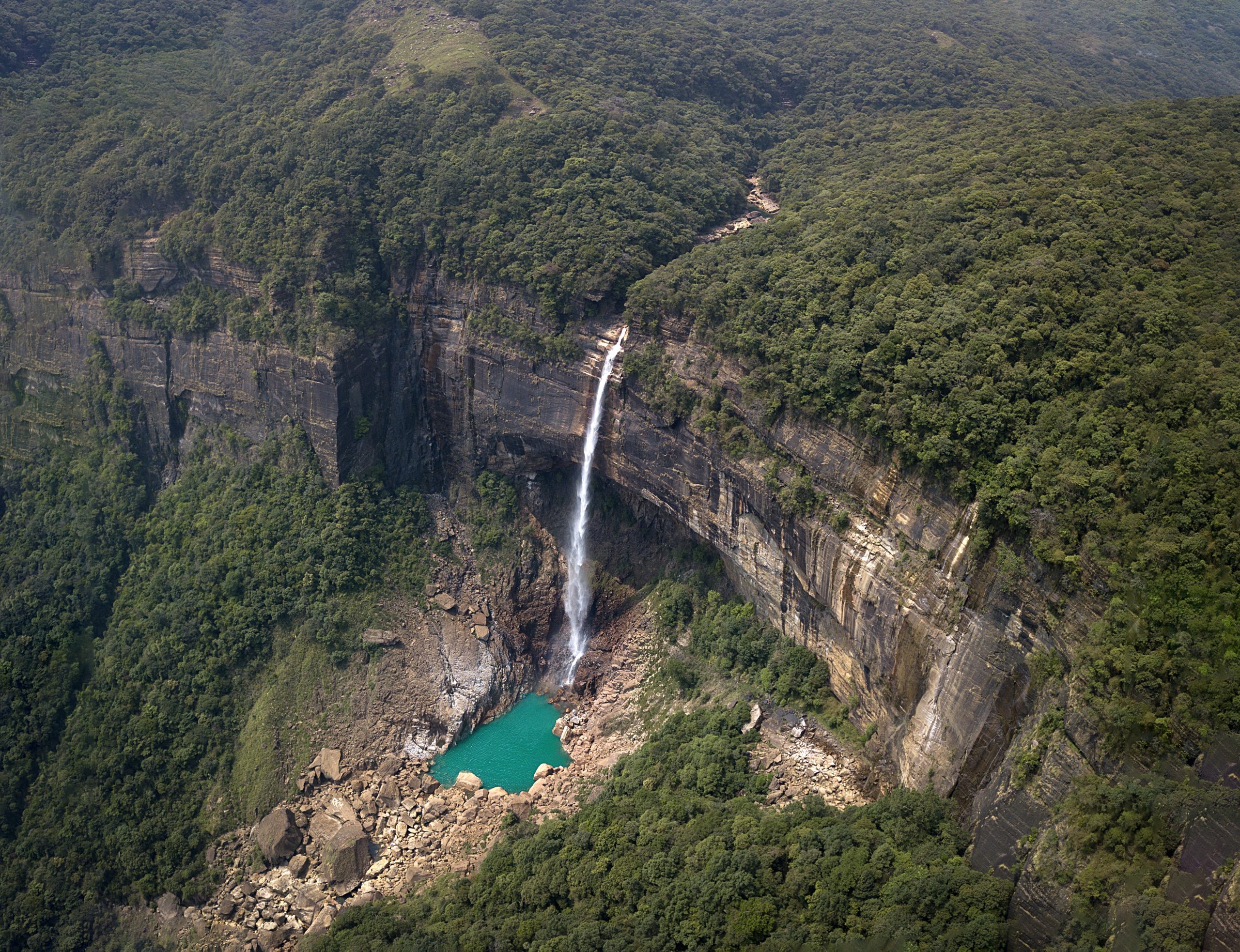
Five days is the sweet spot for a first trip to Meghalaya — enough to walk to a living root bridge, float on the glass-clear Umngot river, stand above the clouds at Laitlum and still have evenings to enjoy Shillong’s cafés. This Meghalaya itinerary for 5 days is the route we run most often for private guests, with realistic drive times, where to stay and what to skip if it rains.
Itinerary at a glance
| Day | Route | Drive | Night |
|---|---|---|---|
| 1 | Guwahati → Umiam → Shillong | ~100 km, 3 hrs | Shillong |
| 2 | Shillong → Laitlum → Sohra (Cherrapunji) | ~60 km, 2 hrs + stops | Sohra |
| 3 | Tyrna → Nongriat (Double Decker Root Bridge) | Trek day | Sohra |
| 4 | Sohra → Mawlynnong → Riwai → Dawki → Shillong | Full day | Shillong |
| 5 | Shillong → Guwahati (Kamakhya en route if time) | 3 hrs | — |
Day 1: Guwahati to Shillong
Land at Guwahati and drive up the highway to Shillong. Stop at Umiam Lake (Barapani) for the view, then check in. Spend the evening around Police Bazaar and Laitumkhrah, or catch live music — Shillong is often called India’s rock capital. If your flight lands early, visit Kamakhya Temple before leaving Guwahati.
Day 2: Laitlum Canyons and Sohra
Head out early to Laitlum Canyons, a grassy ridge that falls away into deep green gorges — best before mid-morning clouds roll in. Continue to Sohra via Mawkdok Dympep valley viewpoint. In the afternoon see Nohkalikai Falls, Mawsmai Cave and the Seven Sisters Falls at sunset. Stay in Sohra or nearby Laitkynsew to be close to tomorrow’s trailhead.
Day 3: The Double Decker Living Root Bridge
This is the day most people remember for life. From Tyrna village, roughly 3,500 stone steps lead down through forest to Nongriat and the famous double-decker bridge, grown by Khasi villagers from the aerial roots of rubber fig trees. The full return walk takes four to five hours; add a detour to Rainbow Falls if you have the legs for it. Carry water, start early and wear shoes with grip. Our living root bridges guide covers the trek in detail, including easier bridges.
Day 4: Mawlynnong, Riwai and Dawki
Drive east to Mawlynnong, celebrated as one of Asia’s cleanest villages, and walk to the nearby Riwai root bridge — an easy 10–15-minute walk, perfect if yesterday’s steps left you sore. Continue to Dawki on the Bangladesh border, where boats seem to float on air over the transparent Umngot river from roughly November to April. Shnongpdeng, a little upstream, is quieter and offers kayaking and cliff jumping in season. Return to Shillong for the night.
Day 5: Back to Guwahati
A relaxed morning at Ward’s Lake or the Don Bosco Museum of Indigenous Cultures — one of the best museums in the Northeast — before driving back to Guwahati.
Where to stay
- Shillong: heritage bungalows and boutique hotels around Laitumkhrah and Upland Road; resorts by Umiam Lake.
- Sohra: eco-resorts on the plateau edge with valley views; homestays in Laitkynsew and Mawsmai.
- Nongriat (optional): simple homestays if you want to sleep beside the root bridges.
Adding more days
- +1 day: Mawphlang Sacred Forest and the David Scott Trail.
- +1–2 days: Jowai and Krang Suri Falls in the Jaintia Hills.
- +2–3 days: Kaziranga for rhinos — see our Kaziranga safari guide.
- Offbeat: the Garo Hills and Wari Chora, or our list of Meghalaya’s hidden places.
Best time for this itinerary
October to April for clear skies and the famous transparent water at Dawki. July–August brings spectacular waterfalls but slippery steps, low visibility and a murky Umngot. See the best time to visit Northeast India.
Good to know
- No permits are needed for Meghalaya, for Indians or foreigners.
- Small entry fees are charged at most falls, caves and root bridges — carry cash.
- Respect village rules at the root bridges: no plastic, no climbing on the roots, and pay community fees.
If it rains
Meghalaya is famous for rain, and even in the dry season a shower can roll in. Swap a viewpoint morning for Mawsmai or Arwah caves, the Don Bosco Museum or a long Khasi lunch in Sohra. Keep the root bridge trek for the driest day of your stay and start early — clouds tend to build in the afternoon.
Book this Meghalaya journey privately. Private car, local driver-guide and hand-picked stays. See our Meghalaya tour and Cherrapunji tour package, or get a custom quote.
Frequently asked questions
Is 5 days enough for Meghalaya?
Yes, for Shillong, Sohra, the root bridges, Mawlynnong and Dawki. Add two to three days for the Jaintia or Garo Hills.
Should I stay in Shillong or Cherrapunji?
Both: one or two nights in Sohra makes the root bridge trek and sunset viewpoints far easier than day trips from Shillong.
How difficult is the Double Decker Root Bridge trek?
Moderate: about 3,500 steps down and back up, four to five hours return. The Riwai bridge near Mawlynnong is an easy alternative.
When is Dawki river clear?
Usually from November to April, when rain has stopped and the Umngot settles.
How do I reach Meghalaya?
Fly or take a train to Guwahati, then drive about three hours to Shillong. Shillong also has a small airport at Umroi with limited flights.
Latest Posts








Woahhh! Hello there! Stop! You don't wanna do this.
Get
Quotes


